 Calculating arrival date


Printer Toner Cost: What To Know Before You Buy
06/30/2025

When you think of an office printer, you probably imagine a fast and reliable laser printer – the workhorse of any business. But while these printers produce crisp, smudge-free text and last for years, their toner cartridges often come with a steep price tag.
In this guide, we’ll break down what toner is, why it costs so much, and how to choose the most economical toner cartridge for your needs.
What Is Toner Anyway?
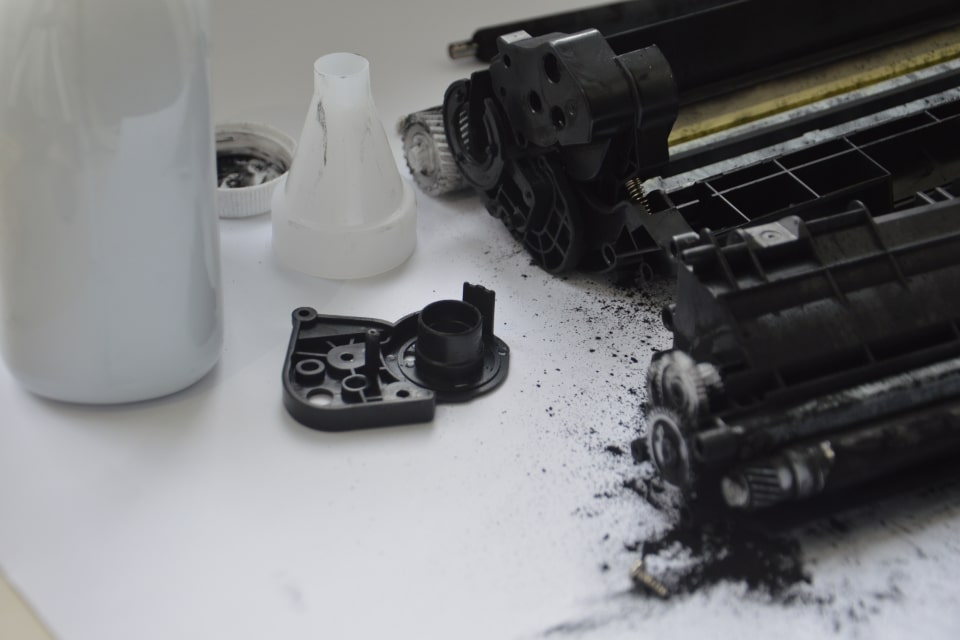
If you have a laser printer, you know that cozy feeling of warm, freshly printed paper. It comes out warm because your printer melts and seals toner on the paper. Inside the cartridge, before being used for printing, toner is a bunch of dry, powdery particles.
Usually, toner is made out of granulated polyester. It may contain carbon powder, polypropylene, silica, iron, zinc, and alternative materials like plant-derived plastic.
In general, there’s no single formula for toner. Toners coming from different factories may have different particle sizes, chemical formulas, and physical properties like melting points. Manufacturers around the world work on developing safer, more efficient, and more precise toner formulas by the day.
Why Is OEM Laser Toner So Expensive?
So, is developing and producing toner so expensive to warrant the high price tag on most genuine name-brand toner cartridges? No. But making new and better printers is.
When you think about it, printers are dirt cheap. Most manufacturers sell printers at a low markup or even at a loss.
Printers are available for a low initial price but with a high running cost. These inexpensive machines keep printing for years - requiring toner or ink to fuel them all along.
Each toner cartridge you get costs a little extra. Along with making a profit, printing companies also use this markup to invest in developing next-generation printers.
Are OEM Toner Cartridges Worth the Money?
Yes! Original toner is designed to print flawlessly and meet the quality control standards your printer requires for optimal performance and long life. You can find cheaper options, such as refilled or compatible cartridges, but these come with several risks.
⚠️ Problems with Compatible or Refill Toner
- Poor print quality due to inconsistent toner particle sizes or low-quality materials
- Toner leaks if the cartridge is poorly made or sealed
- Cartridges that don’t fit properly because of design differences
- Damage to printer parts, including the fuser, if the toner composition is incorrect
- Worn or unreplaced photosensitive drums in remanufactured cartridges lead to reduced print quality.
OEM toner is more expensive, but it remains the safest choice if you want your printer to work reliably and last longer without unexpected issues.
➜ Take a look at our article: Your Ultimate Guide to Genuine HP Toner
What Is Cheaper: Toner or Ink?
| Comparison | Ink Cartridges (Inkjet) | Toner Cartrodges (Laser) |
|---|---|---|
| Average Cartridge Cost | $15-$40 | $50-$150 |
| Average Page Yield | 200 pages | 2,500 pages |
| Cost Per Page | $0.20 | $0.05 |
| Shelf Life | 2-3 years (can dry out) | Indefinite (does not dry out) |
| Best for | Occasional color photos & documents | Frequent text and office printing |
Toner cartridges cost more upfront, often ranging from $50 to $150, while ink cartridges can be as low as $15. However, the real cost difference comes down to the cost per page.
Ink cartridges usually print around 200 pages, costing about 20 cents per page. Toner cartridges can print 2,500 pages or more, reducing the cost to 5 cents per page or less.
Another important factor is shelf life. Ink cartridges can dry out if not used for a long time, usually within 2-3 years, which leads to wasted ink and replacement costs. Toner cartridges, on the other hand, do not dry out because toner is a dry powder, making them a better choice for infrequent printing as well.
Overall, toner is cheaper than ink in the long run, especially for anyone who prints regularly or wants cartridges that last without drying up.
It all boils down to how much each page you print costs you.
➜ Check also: The Cheapest Printer Toners by Brand (All Under $60!)
What Is Toner Cartridge Yield?
Each cartridge comes labeled with its page yield, which tells you how many pages it can print before needing replacement. Manufacturers calculate yield based on 5% coverage of an A4 or Letter-size page, roughly the amount of text in a standard email or business letter.
Here is what you can typically expect:
- An average ink cartridge yields a bit over 200 pages of text
- A toner cartridge yields around 2,500 pages
Because toner cartridges print over ten times more pages than ink cartridges, they have a higher upfront cost, but they become much more cost-effective in the long run.
That’s why, if you print often or want to avoid replacing cartridges frequently, toner is usually the better choice.
However, choosing between ink and toner isn’t only about cost per page. Inkjet printers remain better for high-quality photo printing, while laser printers excel at producing large amounts of sharp, clear text quickly. Your choice will depend on the type of documents you print most often.
High-Yield Toner Cartridges and Their Benefits
After understanding average toner yields, it’s important to know that toner cartridges come in both standard and high-yield versions. Standard toner yields around 2,500 pages, while high-yield toner cartridges can print 5,000 to 10,000 pages or more, depending on the model.
While both ink and toner cartridges have high-yield options, toner is the better long-term choice. Unlike ink, which can dry out if unused for too long, toner is a dry powder that does not expire, making high-yield toner cartridges practical even if you print only occasionally.
✅ Lower cost per page: High-yield toner reduces your printing cost per page significantly.
✅ Less frequent replacements: Fewer cartridge changes save time and hassle, especially for busy offices.
✅ Better for large print jobs: Handles bigger tasks without interruption.
✅ Reliable for infrequent printing: High-yield toner remains usable over time, unlike high-yield ink cartridges, which can expire before being used up.
Overall, choosing high-yield toner is a smart way to maximise savings, reduce maintenance, and ensure reliable printing, whether for home or office use.
How Often Do You Need To Replace Toner Cartridges?
To find out how much you can print with a certain cartridge, check its page yield. That number should give you a picture of how much pigment there is inside.
But if you need a printer only occasionally, there’s a chance you won’t use up all of your ink in time.
- Ink expires in two-three years
- Toner doesn’t expire
This non-expiring characteristic of toner is a significant advantage for users who do not print frequently and wish to avoid the waste associated with expired ink.
For instance, a standard toner cartridge like the W2020A can retain its quality over time, unlike an F6U64AN ink cartridge, which can dry up or clog if not used regularly.
That means if you don’t use your inkjet printer for a while, you may not be able to print when you turn it back on.
Therefore, for those who print infrequently, toner cartridges offer a reliable solution that can help minimize replacement frequency and reduce waste.
❓ Frequently Asked Questions
Why is toner so expensive?
Printer companies often sell printers at very low prices or even at a loss. They make up for it by charging higher prices for toner cartridges, which ensures ongoing profits and funds for printer development.
Is toner cheaper than ink in the long run?
Yes. Although toner cartridges cost more upfront, they print many more pages, making the cost per page lower compared to ink
Does high-yield toner save money?
Yes. High-yield toner cartridges have a lower cost per page and require less frequent replacement, saving money and reducing hassle over time.
Does toner expire like ink?
No. Toner is a dry powder and does not expire or dry out like ink, making it more cost-effective for infrequent printing.
Can I save money with compatible or refilled toner cartridges?
Sometimes. Compatible or refilled cartridges are cheaper, but they carry risks such as poor print quality, leaks, or printer damage. Always buy from reputable suppliers if you choose non-OEM options.
Toner Doesn’t Have To Cost an Arm and a Leg
Considering its high quality, long shelf life, and high page yield, toner turns out to be a rather affordable way to print.
If you want to make sure you get the lowest price for genuine OEM toner and ink, look no further than Toner Buzz!
